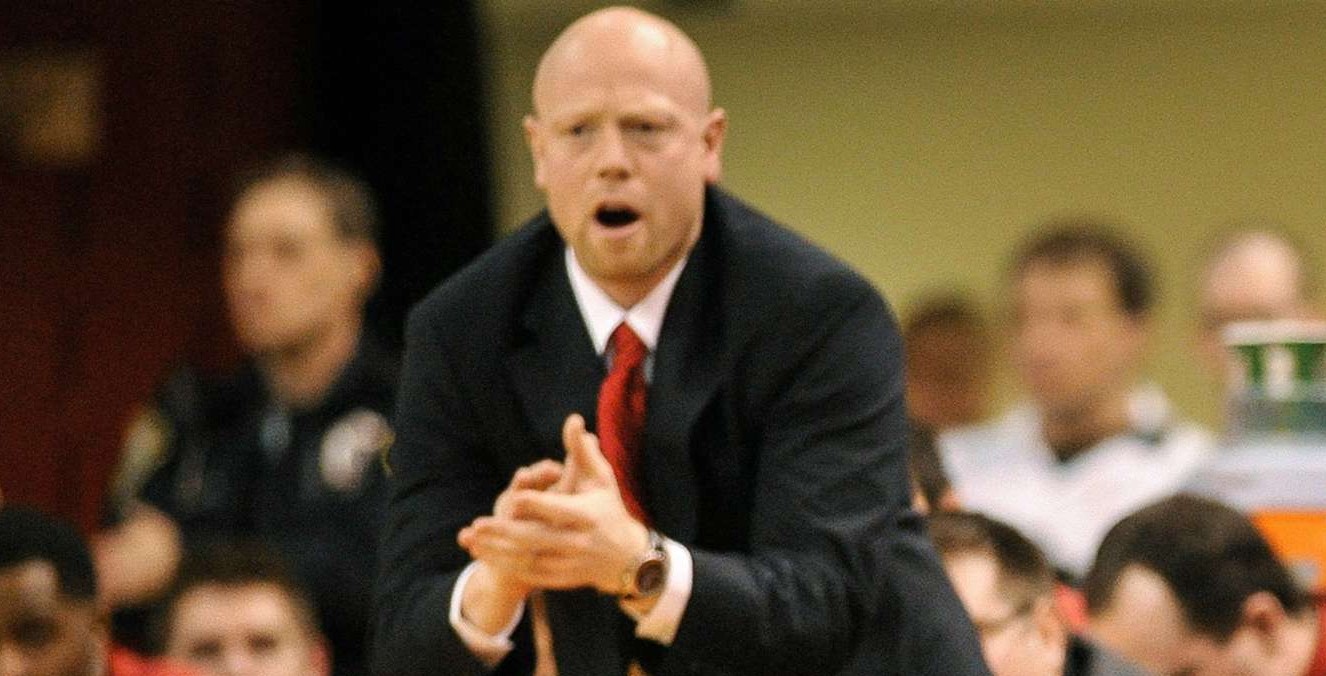
Chris Harriman (California Golden Bears) advice on becoming a college coach or basketball player
March 13, 2023


 Sydney Kings2 seasons

BIO: Acie Earl was born in Peoria, Illinois (USA).
Acie Earl made his NBL debut with the Sydney Kings at 28 years of age. He scored 25 points in his first game.
Sydney underwent a number of key losses as the NBL shifted from a winter competition to a summer one. The biggest ones being Shane Heal heading to play in Greece for Near East, team Captain Bruce Bolden leaving to play for a brand new NBL team, the West Sydney Razorbacks, and Brad Williams and Stephen Whitehead, who both were not re-signed by the team. Ben Castle (Brisbane) and Darren Smith (state league) signed as their replacements.
In their place, coach Tomlinson chose to build the squad around young local talent Matthew Nielsen and Aaron Trahair. Veteran point guard Brad Rosen was named team captain after the loss of Bolden and Kelsey Weems, who joined the team with 12 games left in the previous season, was re-signed and paired incoming import Alonzo Goldston.
The Kings’ opening game came against Bolden’s Razorbacks, in their NBL debut. Sydney lost, 97-103, and went on to lose seven of their next eight games.
This saw the axe fall on import Goldston (14.2 points, 10.2 rebounds, 1.3 assists, 1.8 steals and 1.5 blocks in six games), and NBA big man Acie Earl signed as his replacement.
Earl was a monster, standing 208cm and 110kg, who had spent two seasons with the Boston Celtics before being selected by the Toronto Raptors in the 1995 expansion draft. Earl didn’t take the Celtics’ decision to let him go kindly and exploded for 40 points against his former team when they met the following season.
His 1998/99 season statistically is one of the most efficient in NBL history. Five games in, he dropped 33 points (12/19 shooting) and collected 12 rebounds while holding Brisbane’s star big man Thadderous Delaney to 4 of 14 shots, and he finished the year averaging 21.6 points (on 50% shooting), 12.5 rebounds, 2.4 assists, 1.4 steals and 2.9 blocks per game.
Beyond Earl, the remainder of the team’s roster was a little hit-and-miss this season. While Weems (15.2 points, 3.7 rebounds, 3.8 assists and 1.0 steals) didn’t have the same impact as the previous season, the continued development of Matt Nielsen (20.4 points, 9.2 rebounds, 2.4 assists, 1.1 steals and 1.3 blocks) who boosted his scoring from 16.4 points the previous season, saw him become the new face of the franchise.
The Kings couldn’t seem to win at home (5–8) or abroad (4-9) and finished the season in ninth place, missing out on the playoffs once again.
Acie Earl earned All-NBL Third Team honours with the Sydney Kings during the 1998/99 season.
1999/00
Acie Earl returned to Sydney for the 1999/00 season after establishing himself as one of the NBL’s most dominant big men during the previous campaign. The former NBA centre, who had been selected by Boston with the 19th pick in the 1993 NBA Draft before spending time with Toronto and Milwaukee, joined the Kings midway through 1998/99 as a replacement for Alonzo Goldston. Earl immediately transformed Sydney’s frontcourt, averaging 21.6 points, 12.5 rebounds, 2.4 assists, 1.4 steals, and 2.9 blocks across 20 games while shooting 51 per cent from the field. His performances earned him All-NBL Third Team honours, although the Kings finished ninth with a 9-17 record and missed the playoffs for a third consecutive season.
Sydney subsequently replaced Bill Tomlinson with Brett Brown, becoming the club’s fourth head coach in six seasons, while Kelsey Weems, Goldston, Brad Rosen and Craig McAndrew departed. Earl re-signed alongside Matthew Nielsen, Aaron Trahair, Scott McGregor, Darren Smith and Ben Castle, with Brown adding Ben Melmeth (via Newcastle), Derek Moore (via South Carolina-Aiken University) and reigning league MVP Steve Woodberry (via Brisbane). With an imposing frontcourt and several established imports, expectations were high that Sydney could finally return to the playoffs as it began its first full season at the Sydney SuperDome ahead of the 2000 Olympic Games.
Sydney opened its campaign against Canberra at the Sydney SuperDome on October 2, where Earl (8 points, 6 rebounds, 3 assists, 1 steal, and 5 blocks) helped the Kings record a convincing 98-76 victory. Despite leading both teams in blocked shots, he struggled offensively, converting just one of four field goals and six of eight free throws while committing five turnovers in just under 27 minutes. Melmeth (22 points, 15 rebounds, and 2 blocks) delivered an outstanding debut, while Trahair (19 points, 2 rebounds, and 5 assists) directed Sydney’s offence. Randy Rutherford (28 points, 6 rebounds, 6 assists, and 2 steals) led Canberra, but the Kings controlled the contest to give Brown a winning start. The victory would prove to be Earl’s only appearance of the season, making it both his highest-scoring and strongest all-around performance for the year.
Earl (8 points, 6 rebounds, 3 assists, and 5 blocks across 1 game) was released immediately after the opening victory, with concerns surrounding his conditioning and inability to reproduce the form he had displayed the previous season. Although his five blocks demonstrated that he remained a formidable defensive presence, his offensive production was well below the standard he had established in 1998/99. The decision ended his second stint with Sydney after just one appearance, despite having been one of the Kings’ most important players only months earlier.
His departure also brought an abrupt end to one of the most imposing frontcourts the club had assembled. Sydney had opened the season with Earl, Melmeth and Nielsen, supported by McGregor, giving the Kings an unusual combination of size, athleticism and interior scoring. More than two decades later, the Kings highlighted the group in an official retrospective on the club’s greatest frontcourts, comparing its potential to the famous ‘Great Wall of Sydney’ combination of Dean Uthoff, Kenny McClary and Mark Dalton from 1992. The much-anticipated Earl-Melmeth-Nielsen combination lasted just one game.
Years later, Earl revealed that his relationship with Brown had also been difficult during their brief time together. Speaking on the Aussie Hoopla podcast in April 2013, he reflected on his relationship with the coach, admitting, “I just never really got along with him.” Earl explained that he had been committed to playing for Sydney but felt Brown was too inexperienced as a coach at the time. His recollections provided another perspective on the difficult circumstances surrounding his departure, although concerns over his conditioning remained the reported explanation for his release. Despite the disappointing ending, Earl remembered his time in Sydney fondly, including the club’s reputation as the ‘Violet Crumbles’ and his experiences playing alongside its young Australian talent.
Sydney replaced Earl with Kevin Brooks (16.8 points and 6.2 rebounds across 27 games), who had helped Adelaide win consecutive NBL championships but became available after the league refused to approve his proposed contract with the 36ers amid salary-cap concerns. The Kings’ import problems continued when Woodberry suffered a leg injury and was released after four appearances. Drew Barry (7.6 points, 4 rebounds, and 6.3 assists across 8 games) replaced him before also being released, with Kendrick Johnson (21.6 points, 5.2 rebounds, and 4.5 assists across 12 games) arriving during December. The constant changes prevented Brown from establishing a settled lineup despite the continued development of Nielsen (16.7 points and 6.7 rebounds across 28 games), who was named Sydney’s team MVP, and Moore (9.2 points, 5.1 rebounds, and 1.6 blocks across 28 games), who won the NBL Rookie of the Year award.
Earl’s release did not end his professional career, with the former NBA centre moving to Turkey to play for Troy Pilsner during the same 1999/00 season. He remained productive overseas, averaging 18.3 points, 9.7 rebounds, and 1.4 assists across 26 appearances while playing almost 35 minutes per contest. His performances included a 32-point game against Galatasaray in January 2000, demonstrating that he remained capable of delivering major scoring performances after leaving Sydney. Earl continued playing professionally in Europe for several more seasons, making his sudden departure from the Kings one of the more unusual import exits of the club’s rebuilding years.
Despite the changes to their roster, Sydney finished the regular season in ninth place with an 11-17 record, missing the playoffs for a fourth consecutive year.
Acie Earl played two seasons with the Sydney Kings. He averaged 20.9 points, 12.2 rebounds, and 2.4 assists in 21 NBL games.
– 18th in rebounds per game.
– 5th in blocks per game.
HIGHLIGHTS:
| SEASON | AGE | TEAM | TEAM RECORD | GP | MINS | PTS | REB | AST | OR | DR | STL | BLK | TO | PF | FGM | FGA | FG% | 3PM | 3PA | 3P% | FTM | FTA | FT% | TS% | EFG% | HS |
|---|---|---|---|---|---|---|---|---|---|---|---|---|---|---|---|---|---|---|---|---|---|---|---|---|---|---|
| 1999-00 | 29 | Sydney | 11-17 (9) | 1 | 27 | 8 | 6 | 3 | 1 | 5 | 1 | 5 | 5 | 4 | 1 | 4 | 25% | 0 | 0 | 0% | 6 | 8 | 75% | 53% | 25% | 8 |
| 1998-99 | 28 | Sydney | 9-17 (9) | 20 | 813 | 431 | 250 | 48 | 95 | 155 | 27 | 58 | 78 | 68 | 157 | 310 | 51% | 0 | 0 | 0% | 117 | 163 | 72% | 56% | 51% | 33 | Totals | 21 | 840 | 439 | 256 | 51 | 96 | 160 | 28 | 63 | 83 | 72 | 158 | 314 | 50.3% | 0 | 0 | 0.0% | 123 | 171 | 71.9% | 56% | 50% | 33 |
| SEASON | AGE | TEAM | TEAM RECORD | GP | MINS | PTS | REB | AST | OR | DR | STL | BLK | TO | PF | FGM | FGA | FG% | 3PM | 3PA | 3P% | FTM | FTA | FT% | TS% | EFG% | HS |
|---|---|---|---|---|---|---|---|---|---|---|---|---|---|---|---|---|---|---|---|---|---|---|---|---|---|---|
| 1999-00 | 29 | Sydney | 11-17 (9) | 1 | 27.0 | 8.0 | 6.0 | 3.0 | 1.0 | 5.0 | 1.0 | 5.0 | 5.0 | 4.0 | 1.0 | 4.0 | 25% | 0.0 | 0.0 | 0% | 6.0 | 8.0 | 75% | 53% | 25% | 8 |
| 1998-99 | 28 | Sydney | 9-17 (9) | 20 | 40.7 | 21.6 | 12.5 | 2.4 | 4.8 | 7.8 | 1.4 | 2.9 | 3.9 | 3.4 | 7.9 | 15.5 | 51% | 0.0 | 0.0 | 0% | 5.9 | 8.2 | 72% | 56% | 51% | 33 | Total | 21 | 40.0 | 20.9 | 12.2 | 2.4 | 4.6 | 7.6 | 1.3 | 3.0 | 4.0 | 3.4 | 7.5 | 15.0 | 50.3% | 0.0 | 0.0 | 0.0% | 5.9 | 8.1 | 71.9% | 56% | 50% | 33 |
| POINTS | REBOUNDS | ASSISTS | STEALS | BLOCKS | TURNOVERS | TRIPLE DOUBLES | 33 | 25 | 5 | 3 | 5 | 9 | 0 |
|---|
Acie Earl was drafted by the Boston Celtics with pick #19 in the 1993 NBA Draft.
Earl played 193 games in the NBA. He averaged 5.1 points, 2.7 rebounds, and 0.3 assists per game over his NBA career.
NBA TRANSACTIONS:
- June 30, 1993: Drafted by the Boston Celtics in the 1st round (19th pick) of the 1993 NBA Draft.
-
June 24, 1995: Drafted by the Toronto Raptors from the Boston Celtics in the NBA expansion draft.
-
February 20, 1997: Traded by the Toronto Raptors to the Milwaukee Bucks for Shawn Respert.
-
October 28, 1997: Waived by the Milwaukee Bucks.
| Season | Team | PTS | AST | STL | BLK | FGM | FGA | FG% | 3PM | 3PA | 3P% |
|---|---|---|---|---|---|---|---|---|---|---|---|
| 1 | 0 | 95% | 83% | 91% | 100% | ||||||
| 2 | 1 | 33 | 5 | 3 | 5 | ||||||
| Total | 158 | 314 | 50.3% | 0 | 0 | 0.0% |
| YEAR | AGE | TEAM | POS | GP | GS | MINS | PTS | TRB | AST | ORB | DRB | STL | BLK | TOV | PF | FG | FGA | FG% | 3P | 3PA | 3P% | FT | FTA | FT% | TS% | EFG% |
|---|---|---|---|---|---|---|---|---|---|---|---|---|---|---|---|---|---|---|---|---|---|---|---|---|---|---|
| 1996-97 | 26 | Milwaukee | C | 9 | 0 | 43 | 26 | 11 | 2 | 2 | 9 | 3 | 1 | 2 | 7 | 8 | 23 | 0 | 0 | 10 | 14 | 45% | 35% | |||
| 1996-97 | 26 | Toronto | C | 38 | 0 | 457 | 162 | 85 | 18 | 33 | 52 | 12 | 27 | 33 | 54 | 59 | 157 | 0 | 5 | 44 | 70 | 43% | 38% | |||
| 1995-96 | 25 | Toronto | C | 42 | 7 | 655 | 316 | 129 | 27 | 51 | 78 | 18 | 37 | 49 | 73 | 117 | 276 | 0 | 3 | 82 | 114 | 48% | 42% | |||
| 1994-95 | 24 | Boston | C | 30 | 3 | 208 | 66 | 45 | 2 | 19 | 26 | 6 | 8 | 14 | 39 | 26 | 68 | 0 | 0 | 14 | 29 | 41% | 38% | |||
| 1993-94 | 23 | Boston | C | 74 | 8 | 1149 | 410 | 247 | 12 | 85 | 162 | 24 | 53 | 72 | 178 | 151 | 372 | 0 | 1 | 108 | 160 | 46% | 41% | Total | 193 | 18 | 2512 | 980 | 517 | 61 | 190 | 327 | 63 | 126 | 170 | 351 | 361 | 896 | 40% | 0 | 9 | 0% | 258 | 387 | 67% |
| YEAR | AGE | TEAM | POS | GP | GS | MINS | PTS | TRB | AST | ORB | DRB | STL | BLK | TOV | PF | FG | FGA | FG% | 3P | 3PA | 3P% | FT | FTA | FT% | TS% | EFG% |
|---|---|---|---|---|---|---|---|---|---|---|---|---|---|---|---|---|---|---|---|---|---|---|---|---|---|---|
| 1996-97 | 26 | Milwaukee | C | 9 | 0 | 4.8 | 2.9 | 1.2 | 0.2 | 0.2 | 1.0 | 0.3 | 0.1 | 0.2 | 0.8 | 0.9 | 2.6 | 35% | 0.0 | 0.0 | 1.1 | 1.6 | 45% | 35% | ||
| 1996-97 | 26 | Toronto | C | 38 | 0 | 12.0 | 4.3 | 2.2 | 0.5 | 0.9 | 1.4 | 0.3 | 0.7 | 0.9 | 1.4 | 1.6 | 4.1 | 38% | 0.0 | 0.1 | 1.2 | 1.8 | 43% | 38% | ||
| 1995-96 | 25 | Toronto | C | 42 | 7 | 15.6 | 7.5 | 3.1 | 0.6 | 1.2 | 1.9 | 0.4 | 0.9 | 1.2 | 1.7 | 2.8 | 6.6 | 42% | 0.0 | 0.1 | 2.0 | 2.7 | 48% | 42% | ||
| 1994-95 | 24 | Boston | C | 30 | 3 | 6.9 | 2.2 | 1.5 | 0.1 | 0.6 | 0.9 | 0.2 | 0.3 | 0.5 | 1.3 | 0.9 | 2.3 | 38% | 0.0 | 0.0 | 0.5 | 1.0 | 41% | 38% | ||
| 1993-94 | 23 | Boston | C | 74 | 8 | 15.5 | 5.5 | 3.3 | 0.2 | 1.1 | 2.2 | 0.3 | 0.7 | 1.0 | 2.4 | 2.0 | 5.0 | 41% | 0.0 | 0.0 | 1.5 | 2.2 | 46% | 41% | Total | 193 | 18 | 13.0 | 5.1 | 2.7 | 0.3 | 1.0 | 1.7 | 0.3 | 0.7 | 0.9 | 1.8 | 1.9 | 4.6 | 40% | 0.0 | 0% | 1.3 | 2.0 | 67% |
Acie Earl played four seasons at Iowa from 1989–90 to 1992–93 under head coach Tom Davis, developing from a high-upside interior “project” into one of the most dominant rim protectors in program history.
As a freshman in 1989–90, Earl appeared in 22 games and averaged 6.0 points in 16 minutes, but still swatted 50 shots in limited playing time, foreshadowing the defensive impact that would define his Hawkeye career.
He broke out as a sophomore in 1990–91, averaging 16.3 points and 6.7 rebounds while piling up 106 total blocked shots, and Iowa reached the 1991 NCAA Tournament before being eliminated in the second round by eventual national champion Duke.
Earl’s junior season in 1991–92 included elite shot-blocking production that carried into March, and in Iowa’s 1992 NCAA Tournament second-round loss to Duke he recorded eight blocks, finishing one shy of the NCAA Tournament single-game record held by David Robinson.
In his senior year (1992–93), Earl remained a focal point on both ends as Iowa returned to the NCAA Tournament again, highlighted by a first-round win over Northeast Louisiana where he posted 23 points, 15 rebounds, and five blocks before the Hawkeyes fell in the second round to Wake Forest.
Across his Iowa career, Earl was named Big Ten Defensive Player of the Year in 1992 and earned All-Big Ten recognition (including first-team in 1992), and he left school as Iowa’s career blocks record-holder with 365 rejections while also finishing with 1,779 career points, a total that ranked second in program history at the time behind Roy Marble.
- 1x All-NBL Third Team
Whilst we try to source as much information as we can for every player who has ever played in the NBL some information on a player profile may be missing. If you have additional information on a player you'd like us to add to a profile, please send it to us using the enquiry form below.
Submissions are then sent to info@aussiehoopla.com
HAVE A TAKE ON THE GAME?
Love Australian basketball? Have a story to tell or an opinion worth sharing? We're keen to hear from passionate basketball fans, writers and aspiring journalists. Pitch your idea and be part of the Aussie Hoopla writing team.

