

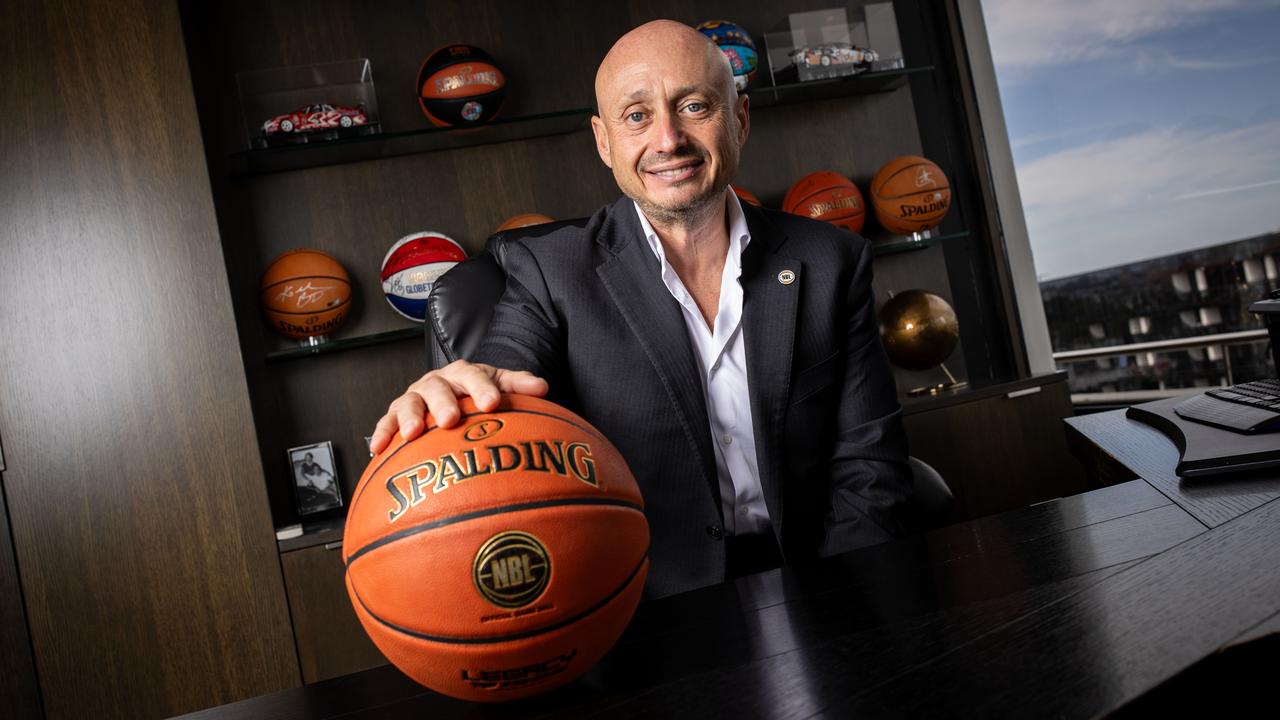
The NBL’s last decade has one defining figure: Larry Kestelman. When he took control in 2015, the league was fighting for relevance and stability. Teams were folding. Fans were exhausted. The future felt fragile.
Ten years later, the NBL has momentum, global credibility, and a genuine NBA pathway. But no era of rapid growth is perfect. Here are five things the league absolutely nailed—and five decisions that still feel like missed opportunities.
RIGHT: Team Consistency Feeds Fan Growth
In 2015, the NBL was flailing to keep its head above water, culminating in the Townsville Crocodiles folding early in Kestelman’s tenure. The league boss reportedly pledged that he did not want to see another NBL club fail. That pledge has held. Since the 2016/17 season, no NBL teams have folded, successfully reversing decades of financial and operational volatility.
Instead, the league has expanded with the successful reintroduction of the Brisbane Bullets (2016), the addition of the South East Melbourne Phoenix (2019) and the ultimate symbol of expansion: the Tasmania JackJumpers (2021). For fans, that consistency has rebuilt trust—clubs feel permanent again.
WRONG: Modern Success, Forgotten History
The modern NBL is thriving, but in focusing so heavily on the present, it has inadvertently lost touch with the rich basketball history that built the league.
Missed heritage opportunities: Reintroducing teams without their historic names—no Magic in South East Melbourne, no Devils in Tasmania—missed an immediate, powerful chance to reconnect with established heritage and the older fan bases who helped drive the league to what it is today.
Sydney Kings head coach Brian Goorjian summed up his frustration:
“I think that the other team (South East Melbourne) should still be called the Magic. I honestly do. I came out openly and vocal about it, but it was not received very well. And I didn’t like it. Cause I just, I think one of the things that is the hardest thing now for the NBL is tradition and history.”
Undervalued recognition: The Australian Basketball Hall of Fame barely receives promotion, and the league does not do enough to consistently honour the legends who built it. There is an endless list of players who would comfortably sit in any “top 20 of all time” discussion or are Hall of Fame calibre, yet have no team to represent them, no jersey in the rafters and no regular moment on the NBL calendar where their careers are properly celebrated.
Derek Rucker is a perfect example. His résumé includes NBL MVP (1990), 3x All-NBL First Team selections and 2x NBL assists titles. On achievement alone, he should be front and centre whenever the league talks about its greatest guards. Instead, because he spent most of his career with West Sydney, Townsville and Newcastle—clubs that no longer exist in the NBL—he receives little recognition from any organisation connected to the league.
As Aussie Hoopla host Dan Boyce put it in conversation with Goorjian:
“Look at Derek Rucker. Sure, he’s, you know, pretty prominent in the league now with his commentary role, but because he bounced around so many teams and all those teams pretty much have folded, he really has no place to call home, and he’s one of the legends of the game.”
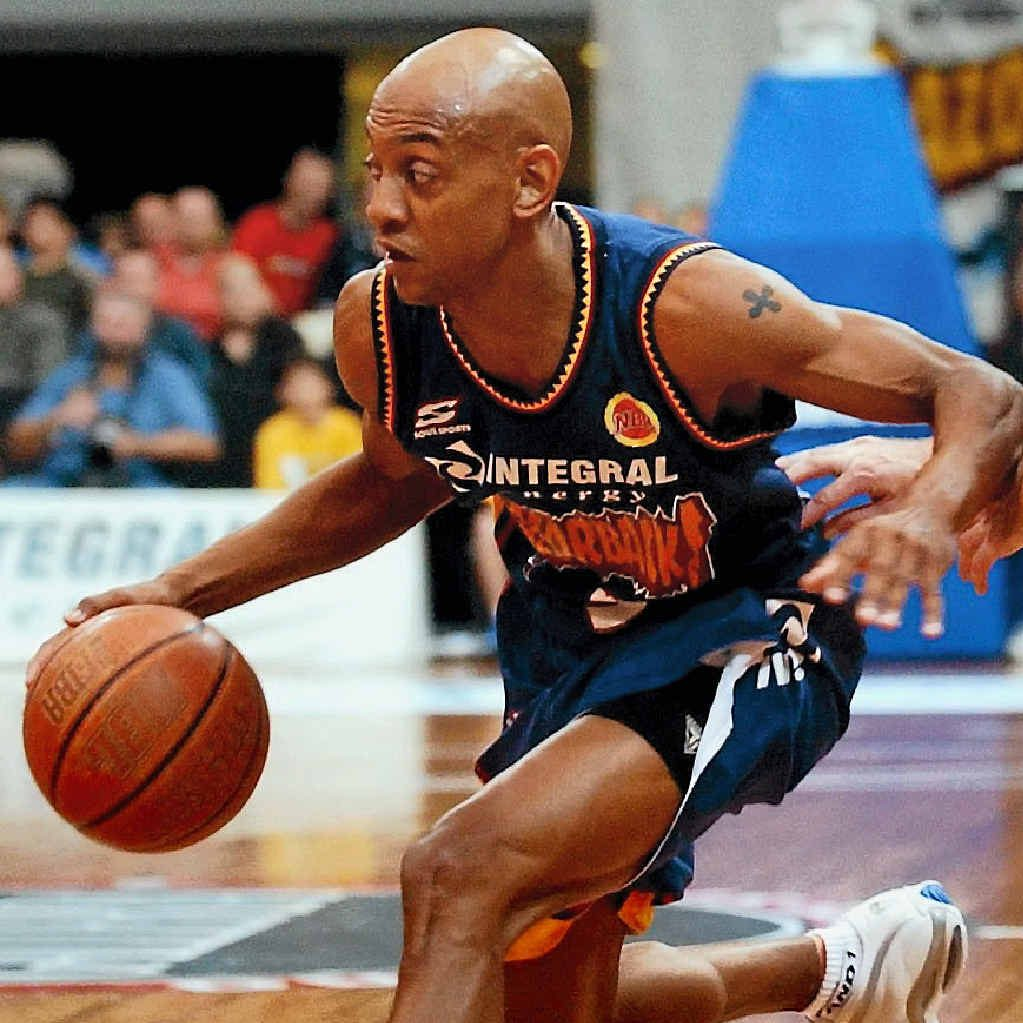
The same story applies to stars like Simon Dwight and Bruce Bolden, whose clubs have disappeared and with them any natural “home” to elevate their stories. Their numbers aren’t hanging anywhere, their milestones aren’t regularly revisited, and their names are largely kept alive by hardcore fans and independent media rather than the league itself.
The on-court product has never looked better, but until the NBL actively promotes its Hall of Fame and builds clear pathways to honour past greats—regardless of whether their teams still exist—the history of the competition will continue to sit largely in the dark.
RIGHT: Next Stars Attracts NBA Eyeballs
No single initiative has shaped the modern NBL more than the Next Stars program. It has become the league’s signature idea and its most powerful marketing tool worldwide.
Since its inception, multiple Next Stars have been drafted into the NBA, including LaMelo Ball, Alex Sarr and Josh Giddey. Players outside the program have also benefitted from the increased visibility, players like Jae’Sean Tate and Xavier Cooks have secured NBA deals in recent years in part to the increased visibility they benefited from by being on an NBL team with Next Star talent that was being heavily scouted by the NBA.
While the program initially gained traction as a professional alternative for US high schoolers, the rise of lucrative NIL deals in American college basketball has prompted the NBL to evolve its recruitment strategy to capture a different market.
The initiative now is focused on elite international prospects from European, Asian and top domestic Australian talent who seek professional development and a fast-tracked path to the NBA.
WRONG: NBL Pride Round: Late, Commercialised and Controversial
The intention behind incorporating an NBL Pride Round may have been good, but the execution felt late, corporate, and not fully embraced by the entire league. The NBL followed the AFL and NRL into the space, making the initiative feel reactive rather than a genuine, embedded cultural movement.
The round has also struggled to build lasting momentum, with players publicly opting out (notably the Cairns Taipans in 2023 and New Zealand Breakers in 2024). The controversy mirrors global trends, where other leagues such as the NRL and NHL have pulled back from themed inclusion rounds after backlash or underwhelming impact.
Sydney Kings assistant coach Andrew Bogut summed up a common sentiment on themed rounds during an Aussie Hoopla podcast:
“I don’t like themed rounds, period.”“When it’s forced and society’s telling me, you must wear this to show you’re an ally, I’m not gonna wear it.”
“They left players out to dry that were kind of questioning whether they would be involved in it.”
Rather than uniting many fans and players, Pride Round has highlighted the limits of a “themed round” approach to complex social issues. Compounding this was the New Zealand Breakers’ decision as a team not to wear rainbow/Pride insignia for the NBL’s 2026 Pride Round (Jan 21-Feb 1) due to some players’ religious/cultural beliefs, showing further how far the themed round has fallen out of favour with teams and players.
RIGHT: Tasmania Shows the Path for Future Expansion
The JackJumpers are not just a feel-good story for Tasmania – they are the clearest blueprint the NBL has for sustainable expansion.
While most NBL clubs have struggled to turn a profit under the traditional model – private ownership buying a licence, leasing a venue and hoping to make the numbers work through tickets, sponsorship and merchandise – Tasmania was built on a very different foundation. The JackJumpers were founded, owned and run by Larry Kestelman’s LK Group (via the NBL and its related entities) from 2020 until early 2025, not just as a basketball team, but as part of a property play.
The key move was Kestelman’s agreement with the Tasmanian government around Wilkinsons Point and the Derwent Entertainment Centre (DEC). In simple terms, the NBL’s side received the ability to acquire and develop the land around the arena, while government funding flowed into upgrading the DEC into an NBL-standard venue. The end result: a club in a small market with dramatically reduced venue costs – the single biggest line item that has helped sink so many regional NBL teams in the past.
This “real estate first, team second model” is what has powered the JackJumpers success. The more the league attacks expansion like McDonald’s – owning the ground and controlling the venue – the higher chance for these expansion teams to see profitability.
These advantages allowed the JackJumpers to reach a Grand Final in their inaugural season (2021/22) and constant top-tier rankings in attendance and membership percentage. The low venue cost base and surrounding property opportunity made the club attractive enough that in February 2025, Kestelman was able to sell a majority stake to Brisbane-based private capital firm Altor Capital. That sale didn’t just validate the JackJumpers; it validated the model.
If the NBL wants more teams in places like Geelong, Newcastle, Canberra or even a revived Townsville, it is hard to see that happening at scale under the old “rent a stadium and hope” approach. The JackJumpers demonstrate that tying expansion to real estate – partnering with governments, owning or controlling venues, and stripping out venue hire as a cost – is the most realistic path to adding more clubs and genuinely growing the league beyond its current ceiling.
WRONG: The Betting Crisis: Players and Families Suffering from Abuse
Alongside the league’s growth has come a darker trend: the NBL’s deep reliance on sports betting revenue has created a severe integrity and player welfare crisis.
Players are routinely subjected to violent attacks and abuse on social media, primarily from upset gamblers. This toxic environment has produced disturbing incidents, including Tasmania JackJumpers players’ families receiving death threats and wishes of miscarriage, and Adelaide 36ers guard Dejan Vasiljevic detailing countless vile messages, including being told to “go kill yourself.”
The league’s response—partnering with online safety platform Social Protect to filter this abuse—treats the symptoms rather than the root cause: its entanglement with the betting industry that has allowed this perverse environment to balloon.
The constant, prominent display of betting ads risks normalising the practice for younger fans and undermines the NBL’s commitment to integrity. Recent betting scandals in other competitions, such as the NBA, only highlight how deeply entrenched gambling has become in professional sport and signal a clear and present danger to the future integrity of the game in Australia.
RIGHT: The Right Kind of Ownership and Attracting Global Talent
One of the quieter successes of the Kestelman era has been the structural framework put in place to demand financial strength from clubs and attract serious owners, helping secure competitive balance.
This includes:
Stronger ownership: The league has moved away from fragile, shoestring operations toward high net worth individuals and ownership groups capable of providing longer-term stability.
The salary cap floor: Introducing a hard salary cap floor (currently near $1.75 million) ensures every club has the financial means to remain competitive. This represents almost a 100% increase in mandated club spending compared to the pre-Kestelman structure, when the cap sat at approximately $1 million. The mechanism forces investment in player rosters, raising the quality and competitiveness of the entire league.
Marquee Player Rule: The introduction of the Marquee Player Rule allowed NBL teams to pay for world-class talent while maintaining fairness by limiting it to one player. Together with the higher cap floor, this has kept the league’s standard of play rising while avoiding the kind of top-heavy imbalance that can plague smaller competitions.
WRONG: Expansion Stalls and False Starts
For all the success of the JackJumpers model, the NBL has struggled to convert that momentum into further expansion in other key markets.
Attempts to establish teams in Canberra, Darwin, the Gold Coast and Newcastle have all stalled to date. Securing a second team in Sydney—a crucial growth point for any national league—remains murky. Each failed or delayed bid suggests ongoing difficulty in finding viable ownership groups and suitable venues.
The result is a league that has proven its expansion blueprint in one market but has yet to capitalise on it elsewhere, leaving significant growth potential unrealised.
RIGHT: How the NBL Became ‘Entertaining’ Basketball
If there is one area where the Kestelman-era NBL has unquestionably raised the bar, it is the on-court product and how it is packaged.
A constant focus on “the product” has elevated the NBL from a domestic competition to a global standard of basketball entertainment. The adoption of high-quality broadcast standards, aggressive marketing and the positioning of the NBL as “the most entertaining league outside the NBA” has transformed the match-day experience for fans.
Kestelman made it clear early on that the league needed to fit the needs of broadcasters. That has meant being commercially minded about TV timeouts and making players and coaches available for interviews during breaks to deliver what the broadcaster needs from an entertainment standpoint.
The product is now more premium, justifying its major ESPN and Network 10 deals. The partnership with ESPN and integration across Foxtel, Kayo and now Disney+ has driven a substantial uplift, with regular season viewership on ESPN’s primary platforms recently increasing by 20% at the halfway mark of the season. Crucially, the league actively promotes star players, pundits and their personalities, creating marketable faces that transcend the game itself.
WRONG: The Officiating Crisis
As the on-court product has improved, one element has stubbornly lagged: officiating.
The inability to develop a consistent and fully professional officiating pool has become one of the biggest drags on the NBL’s credibility. Refereeing is a weekly talking point, with numerous games decided amid controversy and poor calls, leading to regular and heated complaints from high-profile coaches.
Cairns Taipans coach Adam Forde has publicly argued that his players are unfairly denied legitimate foul calls due to a culture of “reputational officiating.” He cited import guard Andrew Andrews as an example, claiming the league had advised officials that Andrews had a “reputation as a flopper” from his time in Europe. Forde contended this is a systemic problem across the league, where players are unfairly targeted, forcing teams to alter their offensive strategy to avoid driving to the basket.
This systemic flaw is often linked to the lack of full-time, professional officials, many of whom are widely known to have “full time jobs to go to.” That reality undermines the consistency and resources required for a genuinely top-tier league.
The frustration over these inconsistencies frequently boils over, resulting in technical fouls and ejections—such as New Zealand Breakers coach Mody Maor being tossed after two technicals in a 40-second span. With the league fining coaches for public criticism while remaining opaque about referee accountability, post-game media coverage is often dominated by officiating mistakes rather than player performance. For a league chasing mainstream respect, that’s a serious credibility problem.